Commercial general contracting in Gilroy and South County, CA comes with its own permitting bodies, soil and seismic conditions, and code triggers that a residential-focused crew often misses. Before you sign a contract, you need to know what a full-scope commercial GC actually manages, which credentials to verify, and how local timelines really run. This guide covers both, starting with the hiring checklist most business owners skip.
What a Commercial General Contractor Handles in Gilroy and South County
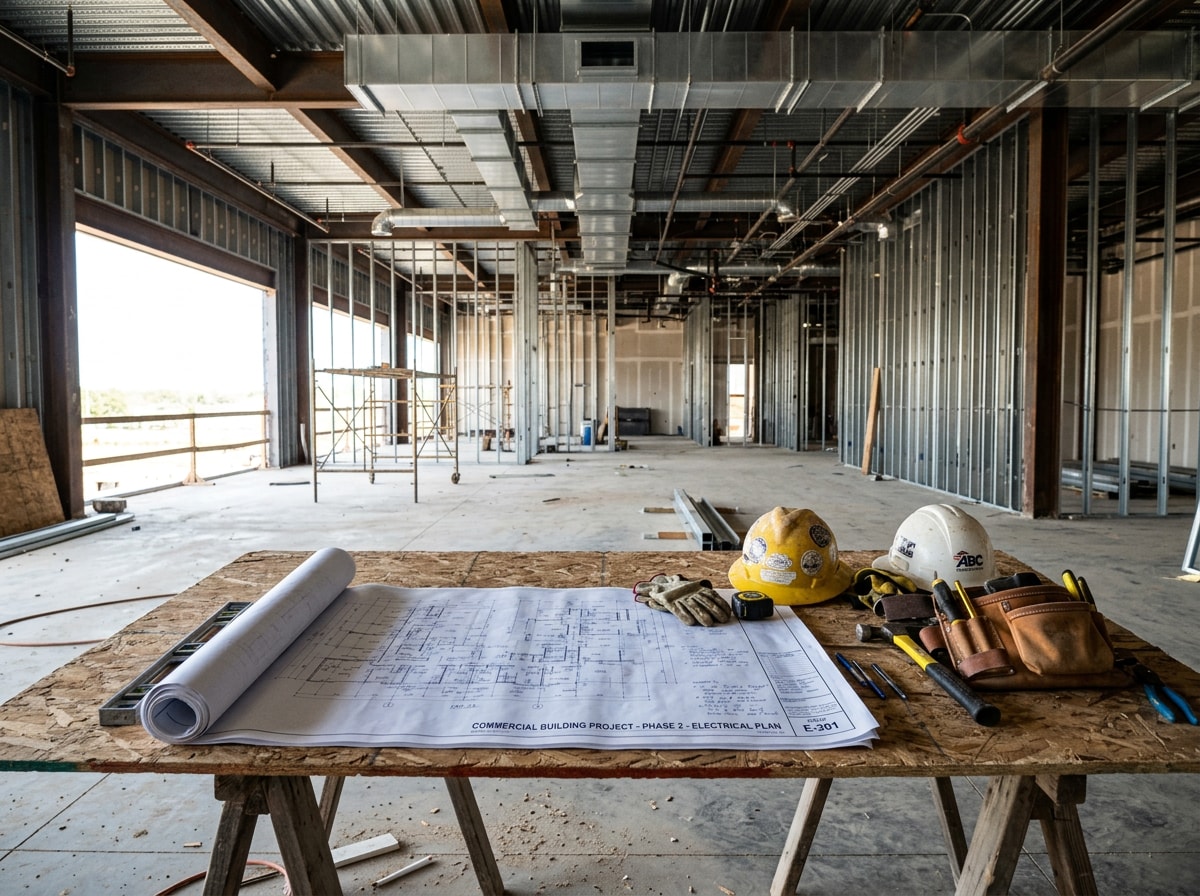
A full-service commercial general contractor typically covers five core service lines:
- General contracting — overseeing the entire build from permits to final walkthrough
- Design-build solutions — uniting design and construction under one contract
- Project management — scheduling, budgeting, and subcontractor coordination
- Renovations and remodeling of existing commercial space
- Tenant improvements for new or existing leased space
While "Gilroy" sits in most local search queries, the real service area runs across South County, including Morgan Hill, San Martin, and Hollister. Businesses in these communities share the same permitting bodies, similar soil and seismic conditions, and overlapping labor pools, so a contractor who only works inside Gilroy city limits is leaving gaps. See our Gilroy and South County service area page for the full scope of communities we cover, and our general contractor services page for a complete list of what we handle.
How to Vet a Commercial General Contractor Before You Sign
A trustworthy commercial GC with real multi-year experience stands apart from firms that mostly handle residential work. Before signing a contract, business owners, property managers, and developers in Gilroy and South County should check a few specific things, not just the price on the bid.
Commercial Project Experience
Residential and commercial construction are genuinely different disciplines. Commercial buildings must meet stricter building codes, more complex zoning compliance rules, and tighter accessibility requirements than a single-family home ever would. A contractor who mainly builds homes may not be current on tenant improvement code triggers, occupancy classifications, or fire-life-safety requirements for commercial space. Ask directly about recent commercial experience in the type of building you're planning: office, retail, industrial, or mixed-use. Each carries its own code nuances.
License, Bond, and Insurance
Confirming a contractor is licensed, bonded, and insured protects you from liability if something goes wrong mid-project. Don't take a contractor's word for it; verify it yourself. In California, any active contractor license must carry a minimum $25,000 contractor bond, and you can check the bond, classification, and any disciplinary history directly through the California Contractors State License Board online check . It takes about two minutes and confirms whether the license is active and what class of work it covers.
Portfolio and References
Asking for examples of previous commercial work and real client references shows whether a contractor can actually deliver what they promise. A contractor with a thin or outdated portfolio may not have the depth to adapt when a project hits an unexpected snag. In our own work on South County tenant improvements, the bid detail that trips up most owners isn't labor cost, it's an incomplete permit-fee line item that only surfaces once work is underway. Asking a contractor to itemize permit fees separately, before you sign, catches this early. Review our general construction services for examples of the scope we typically manage on commercial jobs. Ready to compare your project against a real scope and timeline? Request a free estimate and we'll walk through it together.
Common Specialty Work Commercial Properties Need
A commercial property often needs several specialized trades working together: paving, concrete, roofing, and accessibility compliance. Working with one general contractor who manages these in-house or through vetted subcontractors saves owners from coordinating multiple vendors themselves.
Asphalt Paving and ADA Striping
Parking lots take a different kind of wear than residential driveways, especially with daily delivery trucks and heavy customer traffic. Commercial paving projects also need ADA-compliant striping and marking, including accessible stall counts, van-accessible spaces, and clearly marked access aisles, built in from the start rather than added as an afterthought.
Concrete Projects
Standard slab and flatwork repairs are routine, but post-tension concrete repair is a different skill set entirely. Cutting into a post-tension slab without locating the steel cables first can cause serious damage or injury, so this work should only go to a contractor with documented experience in commercial concrete systems.
Commercial Roofing
Commercial roofing covers both new installation on ground-up builds and the repair-versus-replacement decision on an aging roof. A reliable repair can extend a roof's life by several years, but recurring leaks, widespread membrane wear, or age near the end of its rated lifespan usually point toward full replacement instead.
ADA Compliance
A property generally must meet current accessibility requirements when it changes occupancy type, undergoes a major renovation, or when new construction triggers updated code review. Whether a building is ADA compliant depends on path-of-travel access, restroom clearances, parking ratios, and signage. These are details a GC should evaluate before a permit application goes in, not after an inspector flags them. The accessibility standards issued under the Americans with Disabilities Act apply to places of public accommodation, commercial facilities, and state and local government facilities in new construction, alterations, and additions , so the U.S. Access Board's published standards are the reference point to check against before design is finalized.
Tenant Improvements and Office or Retail Buildouts
Most South County business owners don't start with ground-up construction. They start by moving into existing space that needs reworking. Getting the sequencing right between demolition, rough-in, and finish work keeps the schedule tight and the budget predictable. If demolition is part of your scope, our guide to demolition contractors in Gilroy and South County covers what that step typically involves before a buildout starts.
Tenant improvement work usually means modifying an existing layout, upgrading or relocating utilities, and adapting interior finishes to fit a new tenant's operations. Office buildout planning divides open shell space into functional areas: private offices, meeting rooms, break areas, and collaborative workspaces. The goal is a layout that matches how the business actually operates day to day, not a generic floor plan.
Retail space construction is built around a different goal than office buildouts: guiding customer flow, maximizing display area, and shaping a layout that supports sales. Workspace design and commercial layout decisions should trace back to how customers or employees actually move through the space, not just a drawing on paper.
Safety and Compliance on Gilroy Jobsites
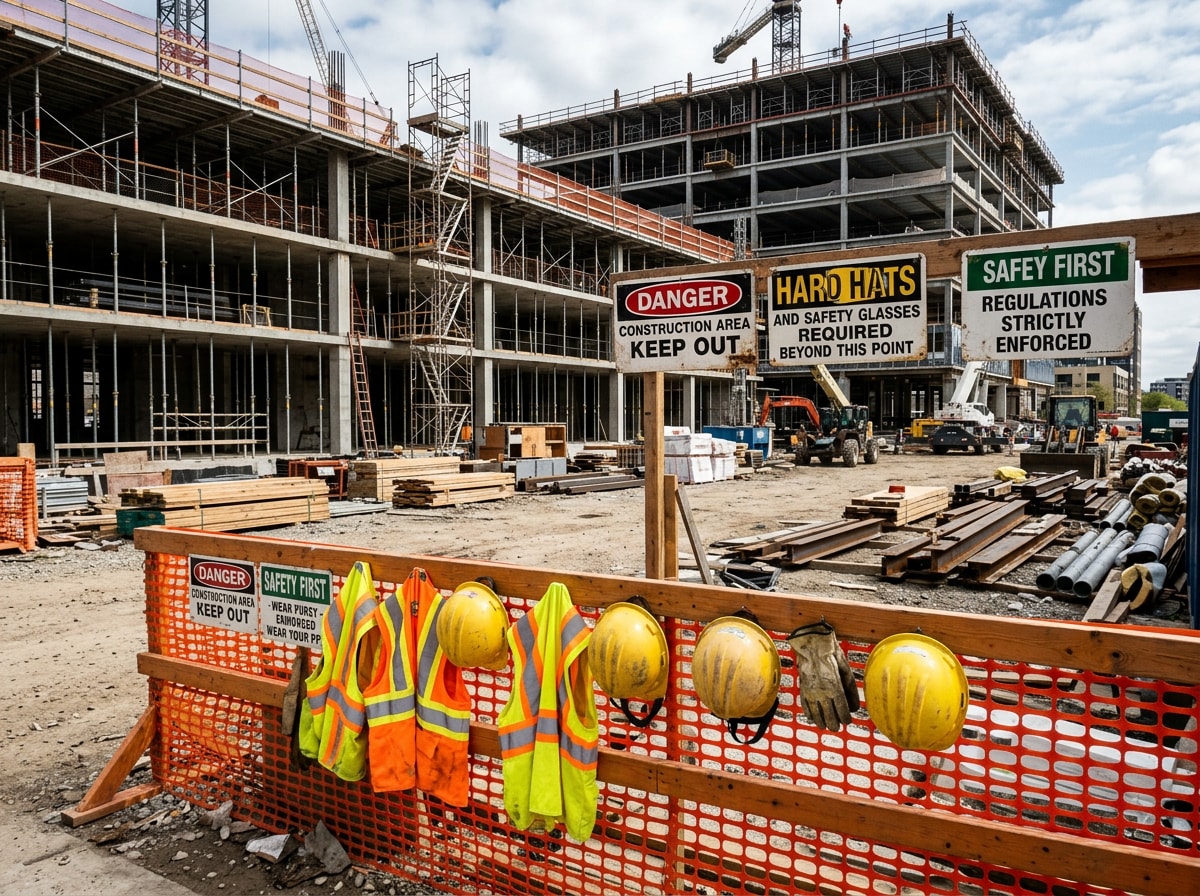
Gilroy and Santa Clara County enforce rigorous construction safety expectations, and a serious commercial contractor builds compliance into daily jobsite operations rather than treating it as a box to check. That means consistent PPE use, posted signage, controlled access points, and ongoing adherence to federal construction safety standards. OSHA updated its requirement for properly fitted personal protective equipment effective January 13, 2025, which is a detail many crews still haven't caught up on. Following both OSHA's construction standards, including requirements on wiring design and protection and local safety codes lowers incident rates and keeps a project from stalling over a preventable citation.
Timelines, Permitting, and Budgeting in South County
Delays on a commercial project cost more than money; they cost revenue days a business can't recover. Pre-construction planning should factor in Gilroy's permitting process, applicable environmental regulations, and site-specific logistics well before a shovel hits the ground. Skipping this step is the most common cause of avoidable delay on commercial projects across South County.
Gilroy processes commercial and residential permit applications through its enhanced and integrated online permit and inspection service system, which provides 24-hour online permit access to submit applications, seek permits and approvals, and track plan review status . That system shortens some of the back-and-forth that used to slow down counter-only submittals, but it doesn't change review depth.
Timelines vary by project type, and the figures below are general planning ranges, not guarantees:
| Project Type | Typical Plan Check | Typical Build Duration | Delivery Method Impact |
|---|---|---|---|
| Tenant improvement, no structural changes | A few weeks | 4–10 weeks | Minimal; usually design-bid-build |
| Office or retail buildout with new utilities | 3–6 weeks | 2–4 months | Design-build can compress overlap |
| Ground-up commercial build | Several months | 6–14+ months | Design-build often saves the most time |
Project delivery method matters too. Design-bid-build, where design finishes before bidding starts, tends to add time up front compared to design-build, where design and construction teams work in parallel and can often compress the overall schedule. For current submittal requirements and review timelines, check the City of Gilroy Building and Safety Division, which applies building regulations to promote health and safety in all private and public buildings , directly, since processing times shift with staffing and application volume.
If you're also researching new ground-up construction options in the wider region, our new home construction company buyer's guide breaks down vetting steps that apply to commercial new-builds too.
Want a project plan built around your actual scope instead of a generic range? Get a free estimate and we'll map out permitting and timeline specifics with you. For general company information and other service areas we cover, visit our homepage.
FAQ
How long does a commercial construction project take in Gilroy and South County?
Project timelines depend on scope, complexity, and permitting requirements, so there's no single fixed answer. A tenant improvement with no structural changes often runs a few weeks to a couple of months. A ground-up commercial build can take six months to over a year from permitting through completion. A reliable contractor should give you a detailed plan and timeline before work begins.
What is the difference between general contracting and design-build?
General contracting means one firm manages construction after a separate architect or designer has already finalized the design. Design-build combines both design and construction services under a single contract, which often improves communication and can shorten the overall timeline since both teams work together from the start.
Do I need a permit for a tenant improvement in Gilroy?
Most tenant improvements that touch structural elements, electrical, plumbing, or HVAC require a building permit through the city. Cosmetic work like paint or carpet typically doesn't. When in doubt, the Gilroy Building Division can confirm whether your specific scope needs a permit before you start.
What should be included in a commercial construction bid?
A thorough bid should spell out labor costs, material specifications, a realistic timeline, anticipated permit fees, and a clearly defined scope of work. A bid missing any of these makes it harder to compare proposals fairly or catch hidden costs later.
What questions should I ask a potential contractor?
Ask about current licensing status, examples of similar completed projects, which subcontractors they typically use, their jobsite safety policies, and how often they'll communicate progress updates. Clear answers to all five signal a contractor worth shortlisting.
Which cities does commercial general contracting in South County typically cover?
Beyond Gilroy itself, South County commercial work usually extends to Morgan Hill, San Martin, and Hollister, since these areas share permitting agencies, similar soil and seismic conditions, and overlapping skilled-labor pools.
Ready to start the conversation? Request a free estimate and we'll walk through your project scope together.