Concrete contracting in Capitola and Coastal Communities, CA has to answer to salt air, marine-layer moisture, and sandy soil before it answers to anything else. A driveway mix that works fine in Gilroy can spall and crack within a few winters two miles from Monterey Bay. This guide breaks down the services, coastal-specific cost factors, and hiring checklist you need before you schedule a pour.
Visit NN Construction to see our services and request a free estimate.
Concrete Services for Capitola and Coastal Communities Homeowners
Most residential and light commercial concrete work in this area falls into a handful of categories, and the right contractor should be comfortable moving between all of them on the same job site.
- New driveways, walkways, and patios
- Foundations and footings for additions or new ADUs
- Garage and shop slabs
- Retaining walls and grade-change support on hillside lots
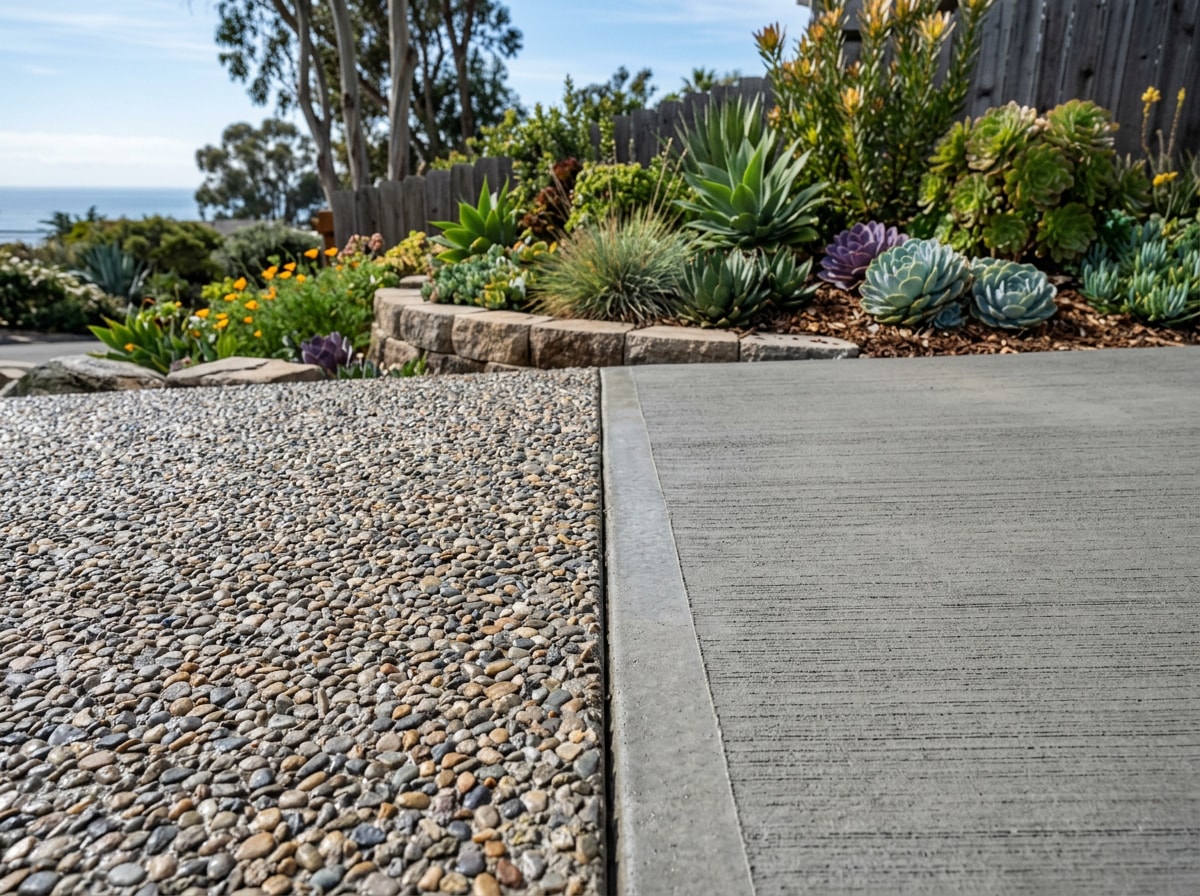
- Decorative finishes: stamped, stained, exposed aggregate, or broom finish
- Crack repair, mudjacking, resurfacing, and resealing on existing concrete
ADU slabs in particular have picked up as California's backyard-unit rules make permitting easier. If a foundation is part of a larger project, our ADU construction and general construction teams coordinate the slab work directly with framing and utility rough-in, so the concrete crew isn't guessing at load points after the fact.
Why Coastal Conditions Change the Concrete Mix
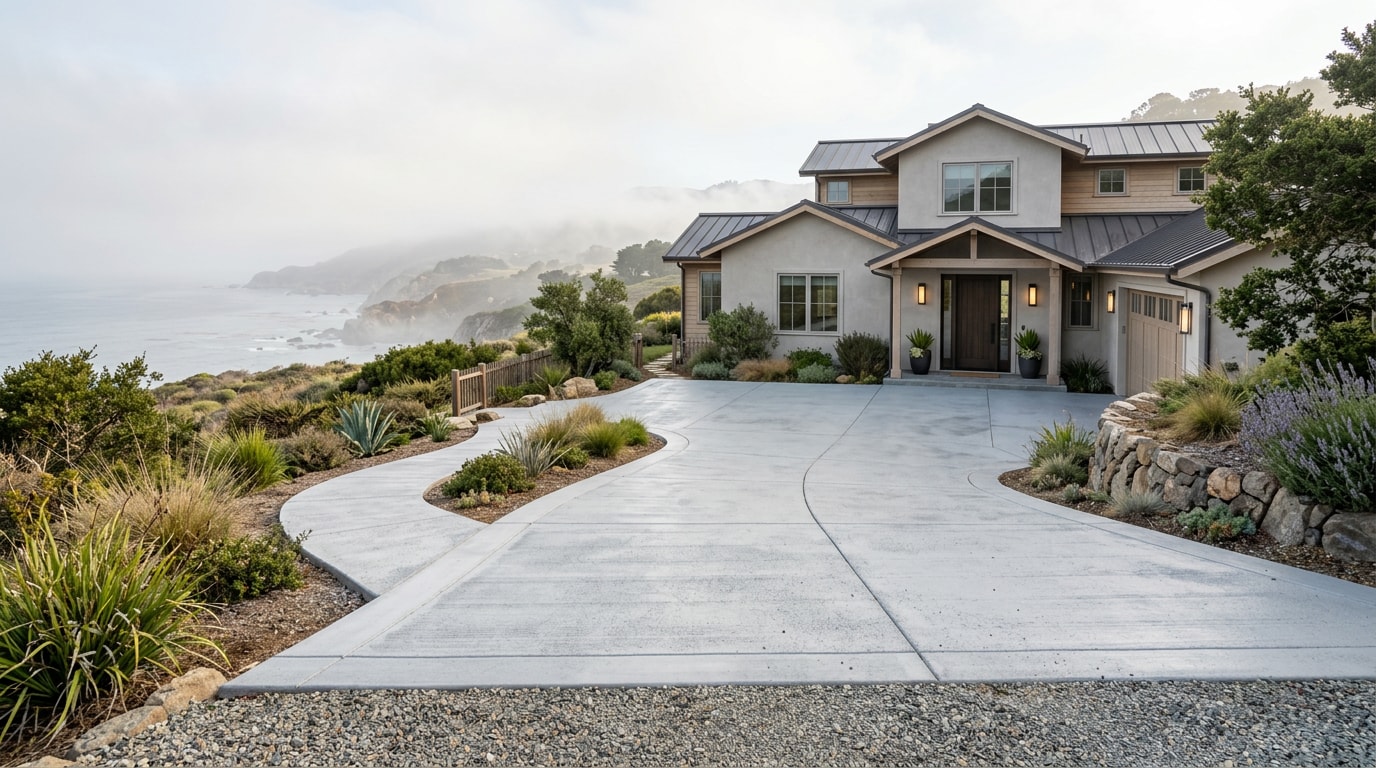
Property within a mile or two of Monterey Bay deals with two things inland Santa Cruz County doesn't: salt-laden air and a marine layer that rolls in most mornings. Both affect how concrete should be mixed, placed, and sealed.
Chloride exposure is the bigger long-term threat. Chlorides have long been held as the main drivers of steel reinforcement corrosion in concrete structures in marine environments such as for coastal, harbor and offshore applications. That's the reason rebar cover, mix density, and sealant schedules matter more in Capitola, Soquel, and Live Oak than they do a few miles inland.
The marine layer changes the work schedule, too. The marine cloud layer provides moisture to the arid and semi-arid coast, especially in the warm summer months, as it moves from the ocean into coastal communities and ecosystems of California. That persistent morning moisture slows surface evaporation, which can actually help curing, but it also pushes back the finishing window on stamped or broom-finish jobs scheduled too early in the day.
On recent patio and driveway pours in Capitola and Aptos, we've found the practical fix is simple: pour later in the morning once the fog lifts, and hold off on sealing for a full week longer than a typical inland timeline. Rushing either step is the most common reason a coastal slab starts showing surface haze or early spalling.
Retaining Walls and Decorative Concrete on Hillside Lots
Sloped lots around Capitola, the Santa Cruz Mountains foothills, and the bluffs above Monterey Bay often need a structural retaining wall before any patio or driveway work can start. Pairing that wall with a decorative finish is common because it lets the hardscape read as one design instead of a utility wall bolted onto a pretty patio.
Typical finish options:
- Stamped concrete mimics stone or brick at a fraction of the material cost
- Exposed aggregate adds slip resistance for pool decks and walkways
- Stained or colored concrete matches a home's existing palette
- Broom finish stays the most affordable and the most slip-resistant for driveways
See our concrete finishing page for examples of each finish on past coastal projects.
Concrete Repair, Resurfacing, and Maintenance Near the Bay
Existing concrete ages faster here than it does inland, and the damage patterns are predictable: hairline cracking from salt-accelerated corrosion, surface pitting from chloride exposure, and uneven settling where sandy or expansive soils shift under a slab.
Common repairs include:
- Crack injection and routing before resealing
- Mudjacking or slab-jacking to correct settling
- Full resurfacing where the top layer has spalled
- Joint resealing to keep water out of control joints
- Periodic sealing on a shorter schedule than inland properties typically need
If a slab is cracking, heaving, or flaking, our concrete repair team can usually tell from photos whether it's a resurfacing job or a full replacement before anyone sets foot on site. For damaged interior flooring that often comes with water intrusion near the coast, flooring repair covers everything beyond the slab itself.
2026 Concrete Pricing in Capitola and Coastal Communities
Pricing breaks into materials and labor, and both shift with finish, access, and how much prep a lot needs before the pour.
| Finish Type | Typical Cost per Sq. Ft. (Installed) | Notes |
|---|---|---|
| Basic broom finish | $8 - $13 | Most common for driveways and walkways |
| Exposed aggregate | $11 - $18 | Adds slip resistance for decks and patios |
| Stamped concrete | $14 - $22 | Pattern and color options, higher labor time |
| Stained or colored | $10 - $16 | Lower material cost than stamping |
| Structural retaining wall | Priced per project | Depends on height, soil, and drainage needs |
National per-square-foot ranges for a standard broom-finish driveway currently run $9.86 - $12.11 per square foot for basic installation, before accounting for the site prep and reinforcement that sloped coastal lots usually require. Expect the top end of any range on a lot that needs extra excavation, forming, or base compaction before concrete even gets delivered.
Industry guidance also sets the baseline thickness most bids should start from: the short answer is 4 inches for patios and walkways, 6 inches for driveways and garage floors , with adjustments up from there for vehicle weight or poor subgrade. The American Concrete Institute's guide to concrete floor and slab construction covers the design criteria behind those numbers in more detail.
How to Hire the Right Concrete Contractor
Three things separate a contractor worth hiring from one worth passing on: pricing transparency, verified licensing, and a track record with coastal conditions specifically.
Get a written, itemized estimate. It should break out materials, labor, and any site-prep costs separately, with no vague allowances buried in the total.
Verify the license before signing anything. The Contractors State License Board protects California consumers by licensing and regulating the state's construction industry, and today licenses about 285,000 contractors in 45 different classifications. You can check a license status directly through the CSLB in a couple of minutes before a deposit changes hands.
Ask about coastal-specific experience. A contractor who's only poured inland may not adjust mix design or cure schedules for salt air and marine-layer humidity, which shows up as premature cracking within a few years.
For larger projects that combine concrete with framing, additions, or a full remodel, our general contractor team and residential remodeling crews work from the same schedule as the concrete pour, so inspections and sequencing don't get stuck waiting on each other. Request a free estimate and we'll walk the site before quoting anything.
Proudly Serving Capitola and the Coastal Communities
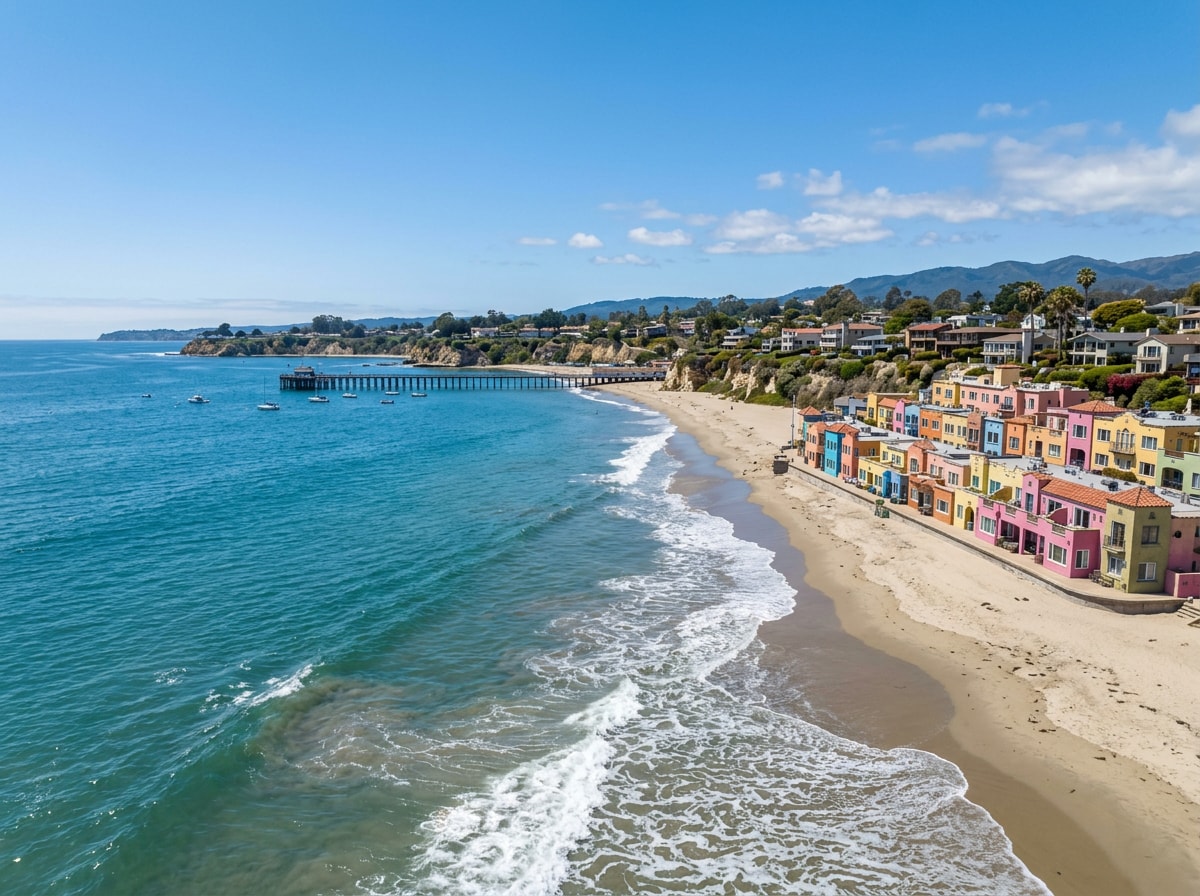
Beyond Capitola itself, our crews regularly work throughout Santa Cruz and the surrounding coastal towns, including Soquel, Aptos, and Live Oak. Salt exposure, marine-layer humidity, and sandy or expansive soils near Monterey Bay all affect site prep, reinforcement choices, and cure timing differently than they would a few miles inland.
If your project also involves commercial space near the coast, our guide on commercial construction and renovation in Capitola and Coastal Communities covers permitting and scheduling specifics for that side of the work. Check our full coverage area or visit our homepage to see the rest of what we handle across Santa Cruz County.
FAQ
How much does concrete contracting cost in Capitola and Coastal Communities, CA?
Most residential driveways and patios run $8 to $22 per square foot installed depending on finish, with basic broom finish at the low end and stamped concrete at the high end. Sloped or tight coastal lots usually land toward the higher end because of extra site prep.
Do I need a permit for a concrete driveway or patio in California?
Most structural concrete work, including foundations, retaining walls over a certain height, and driveway aprons that tie into a public right-of-way, requires a permit from the local building department. Simple patio replacements on an existing footprint sometimes don't, but check with your city before pouring.
How long does concrete need to cure before use near the coast?
Concrete typically reaches enough strength for foot traffic in 24 to 48 hours and vehicle traffic in about a week, but coastal marine-layer moisture can extend the safe sealing window by several days compared to inland timelines.
How do I verify a contractor's license in California?
Search the contractor's license number or business name on the CSLB website. The record shows active status, classification, bond, and workers' compensation coverage before you sign anything or pay a deposit.
What is the lifespan of a concrete driveway near the ocean?
A well-mixed, properly sealed coastal driveway typically lasts 25 to 30 years, somewhat shorter than the 30 to 40 years common inland, because of accelerated corrosion from salt air on any embedded reinforcement.
What's the best time of year to pour concrete in Capitola and Coastal Communities?
Late spring through early fall gives the most predictable weather window, though morning fog means crews often wait until mid-morning for the marine layer to burn off before finishing a pour.