Structural steel contractors in the Watsonville Area, CA fabricate and erect the columns, beams, and moment frames that carry a building's load through earthquakes and storms alike. Hiring the wrong one means failed inspections, change orders, and sometimes a red-tagged job. This guide covers the license to check, the questions worth asking, and what a steel scope typically costs in 2026, so you can vet a contractor before anyone signs a contract.
What Is a Structural Steel Contractor?
A structural steel contractor fabricates and erects the steel framing that forms a building's skeleton: columns, beams, and the connections between them. That's different from ornamental or miscellaneous metalwork, which covers railings, trim, and non-load-bearing features.
In California, this work falls under a specific license category. A structural steel contractor fabricates and erects structural steel shapes and plates, of any profile, perimeter or cross-section, that are or may be used as structural members for buildings and structures, including the riveting, welding, rigging and metal roofing systems necessary to perform this work. That classification is listed by the state as C-51 - Structural Steel Contractor , and knowing it exists before you start calling contractors sets a baseline for the credential you should expect to see.
Where Structural Steel Shows Up in Watsonville Area Home Projects
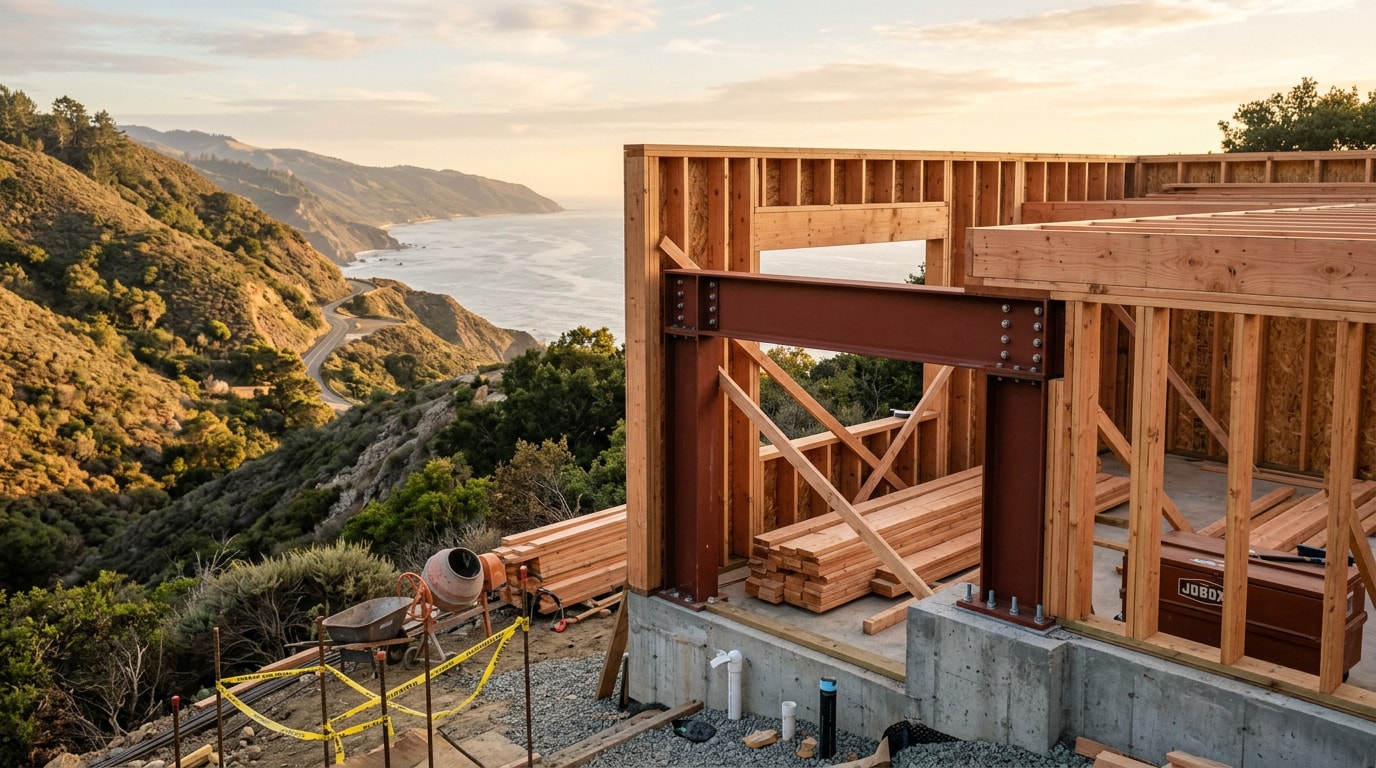
Most homeowners don't think about structural steel until an architect or engineer specs a moment frame for an addition, a large window opening, or a seismic retrofit. The Central Coast has reason to take that seriously.
The epicenter of the 1989 Loma Prieta earthquake was located near Loma Prieta peak in the Santa Cruz Mountains, approximately 9 miles northeast of Santa Cruz.
Los Gatos, Santa Cruz and Watsonville sustained heavy damage in the epicentral region. That history is a big part of why local building departments pay close attention to lateral bracing and steel connections on additions and remodels, not just new construction.
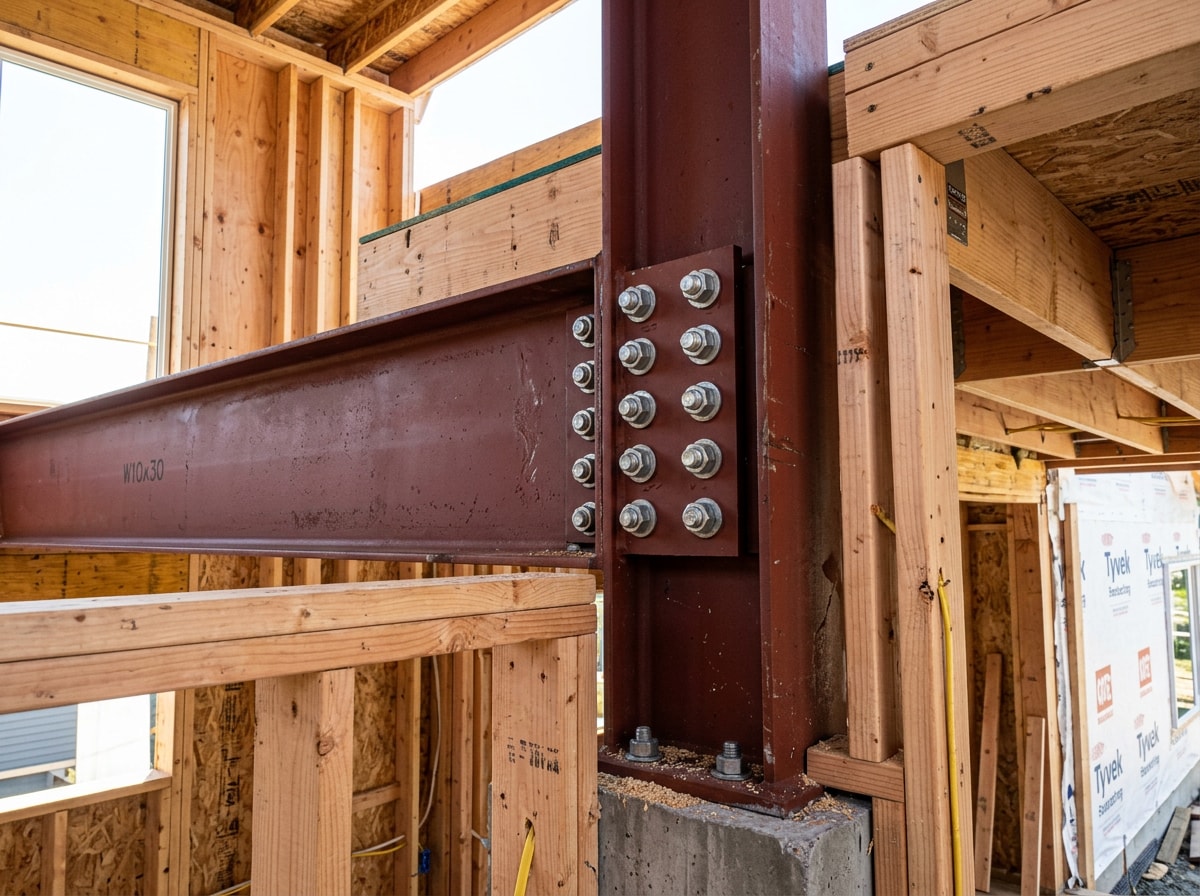
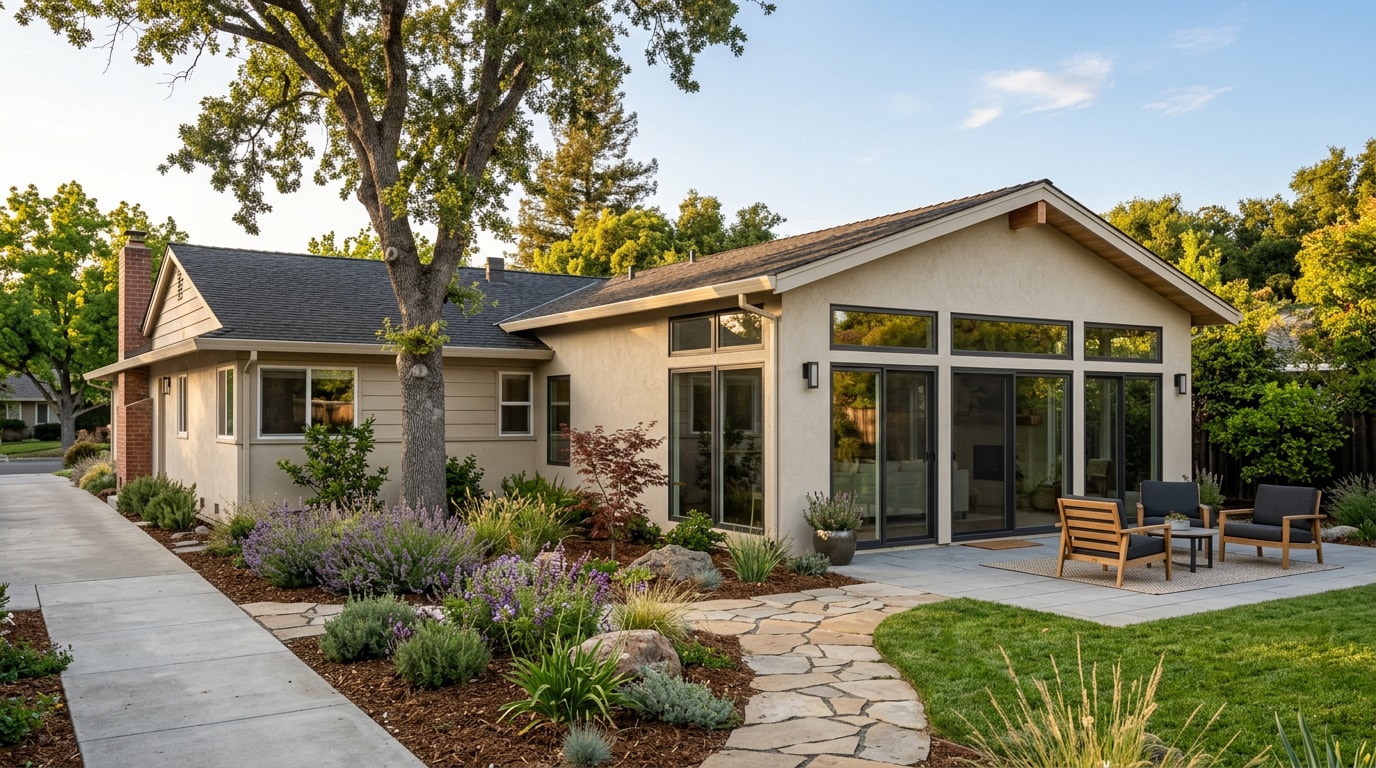
On our own addition, framing, and ADU projects across the area, we bring in a licensed C-51 subcontractor whenever plans call for a moment frame or a steel beam to replace a load-bearing wall. We handle the framing, inspections coordination, and finish work around it. Homeowners planning a residential addition, an ADU, or new framing should ask their general contractor upfront whether the plans require structural steel, and who is actually licensed to install it.
Why a Watsonville General Contractor Weighs In on Structural Steel
I'm Nick, the Hands-On Owner of NN Construction, a California-licensed general contractor (CSLB #1086881) based in Watsonville. My crew doesn't fabricate structural steel in-house, but we coordinate licensed steel subs on nearly every addition and ADU project where the engineer specs a moment frame or a steel beam, and that coordination is exactly where most delays and miscommunications happen if nobody is managing it.
If you're planning a project that touches structural steel, the fastest way to get a straight answer on scope and sequencing is to get a free estimate and walk through your plans with us directly.
Key Factors to Consider When Choosing a Local Structural Steel Contractor
Once you understand the scope of work, the next step is deciding who's qualified to do it. Run every candidate through the same checklist instead of judging on price alone.
Experience and Licensing
Look for a contractor with proven experience across the full process: fabricating and supplying steel sections, erecting components safely at height, and joining members by bolting, welding, or riveting. Ask for a portfolio review of projects similar in size and type to yours, and confirm the crew has direct steel erection experience, not just general contracting background.
Material Quality and Fabrication
A dependable contractor sources certified structural steel from reputable mills and processes it in a quality-controlled fabrication shop. If a contractor can't explain where their steel comes from or how it's inspected before it leaves the shop, treat that as a warning sign.
Safety Compliance
Safety compliance is non-negotiable on a steel erection site. Federal rules spell out exactly how a crew is supposed to sequence a job, not just whether workers wear harnesses. The general fall-protection trigger for steel erection is 15 feet, higher than the 6-foot construction trigger in Subpart M, with separate, stricter rules for connectors and for deckers in a controlled decking zone. Ask contractors how they apply these rules day to day. The full regulatory text is available from OSHA's steel erection standard.
Reputation and References
An established contractor builds a reputation through repeat supplier and client relationships, not just advertising. Ask for local references tied specifically to Santa Cruz or Monterey County projects, since regional permitting and inspection practices vary.
How to Verify Certifications and Credentials (C-51, AISC, AWS)
A license check is the minimum bar. Certification is the stronger signal, because it comes from an independent, third-party audit instead of a self-reported claim.
- C-51 license status: confirm it's active and check for disciplinary history through the CSLB's C-51 classification page.
- AISC Certification:
AISC Certification has set the standards high since its introduction in 1976, and more than 1,600 U.S. fabricators and erectors around the country currently hold Certifications. You can search for a certified fabricator or erector directly on AISC's certification program page.
- AWS-certified welders: confirm the crew includes certified welders, since that credential reflects the tested skill level needed to produce structural welds that meet code.
Hiring an uncertified shop doesn't automatically mean poor work, but it does raise compliance risk since there's no outside verification of their processes.
Local Service Area Coverage Across the Central Coast
A contractor based in or near Watsonville typically covers Santa Cruz County, Monterey County, and often extends into Santa Clara County for larger jobs. That footprint matters more than it seems: a crew already staged nearby can mobilize faster, which shortens lead times and trims the travel costs baked into a bid.
NN Construction works throughout the Watsonville Area, Monterey County, the Santa Cruz Mountains, and Gilroy and South County. When comparing quotes from structural steel subs, factor in where each one is actually based, not just their stated service area.
2026 Structural Steel Project Cost Breakdown
Structural steel pricing in 2026 varies by project size, but most bids break down into four cost categories: raw material, fabrication labor, erection labor, and delivery or logistics. Material and mill pricing still drive the largest share, though labor costs have climbed with the ongoing skilled-trade shortage.
| Cost Category | Typical Share of Total | Notes |
|---|---|---|
| Raw material (steel) | 45-55% | Fluctuates with mill pricing and tariffs |
| Fabrication labor | 20-25% | Shop cutting, welding, coating |
| Erection labor | 15-20% | Crane time, crew wages, site conditions |
| Delivery and logistics | 5-10% | Distance from Watsonville-area shops |
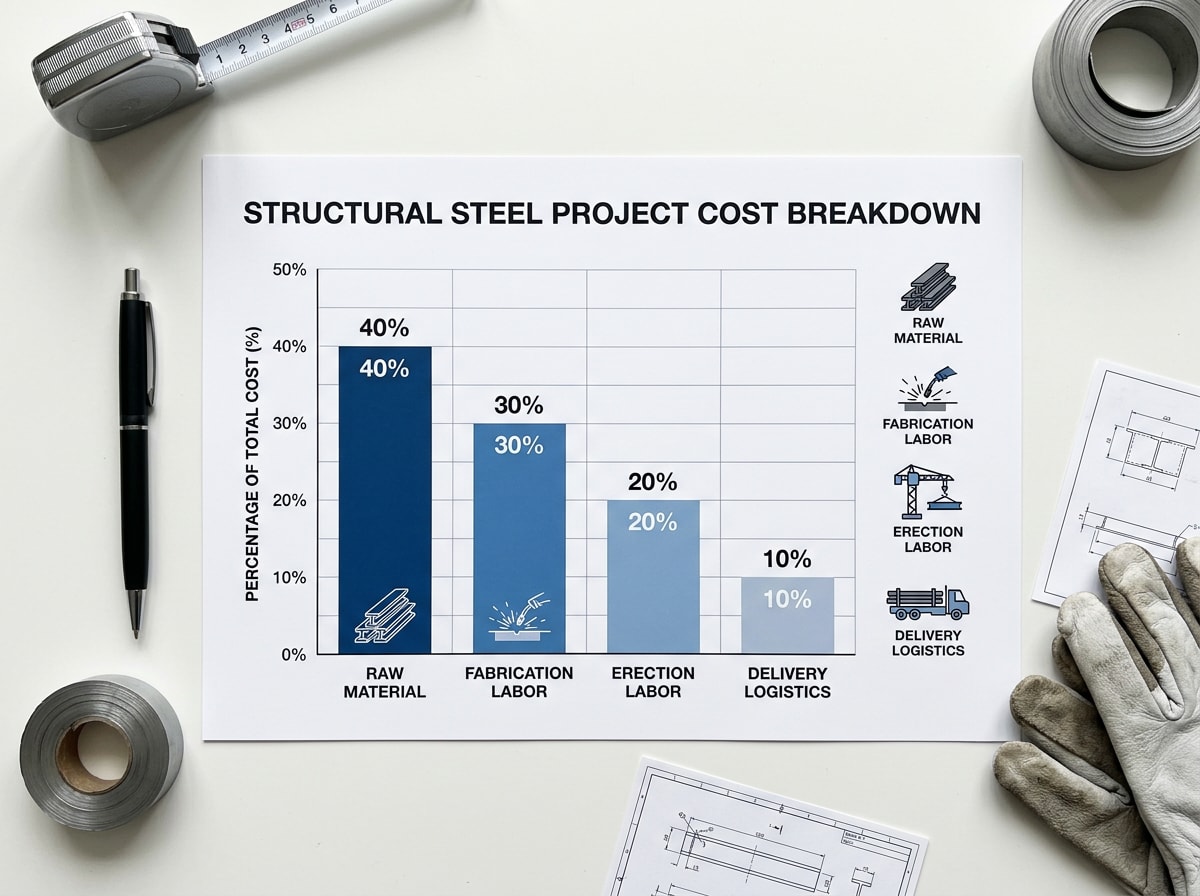
Per-ton pricing for fabricated and erected structural steel shifts often enough with mill pricing and demand that it's worth confirming current numbers directly with any contractor you're evaluating rather than relying on a fixed figure. Moment-frame-heavy designs and tight sites tend to push costs toward the higher end of any range.
Step-by-Step Hiring Checklist for Structural Steel Contractors
Use this checklist before signing a contract with any structural steel contractor:
- Verify the license. Confirm active C-51 status and check for any disciplinary history.
- Confirm bonding and insurance. Ask for proof of a surety bond, general liability coverage, and workers' compensation.
- Request an itemized bid. Compare material, labor, and delivery line items across at least two or three contractors, not just the bottom-line total.
- Call references. Ask past clients about schedule accuracy, communication, and how change orders were handled.
- Review the portfolio. Look for completed projects similar in scale and complexity to yours.
- Confirm the safety record. Ask directly about OSHA citations or incidents over the past few years.
This process takes an extra week or two upfront but prevents far costlier problems once steel is on-site.
Common Delays and How Experienced Contractors Manage Them
Material lead times are the most frequent source of schedule slippage, since steel mills and fabrication shops both carry backlogs that fluctuate with demand. Permitting delays, weather windows for crane work, and site logistics round out the usual list.
Experienced local contractors plan around these risks by ordering long-lead material early, building buffer days into the schedule for inspections, and sequencing crane work around seasonal weather patterns on the Central Coast. Asking a contractor how they've handled a past delay, not whether they've ever had one, usually reveals more about their problem-solving than a clean track record would. For a broader look at how we sequence framing and structural work on additions, visit our general contractor services or NN Construction's homepage.
FAQ
What insurance should a structural steel contractor carry?
A structural steel contractor should carry general liability insurance and workers' compensation coverage at minimum, along with the surety bond required to hold an active C-51 license in California. Ask for current certificates of insurance before work begins, not after.
Do I need a C-51 license to hire a structural steel contractor in California?
Yes, for any project that crosses the state's licensing threshold. Confirming a contractor holds an active C-51 license protects you from compliance and liability issues, and you can check status directly on the CSLB's classification page.
How much does it cost to hire a structural steel contractor?
Costs vary widely based on project size and complexity; see the cost breakdown above for typical category shares. As a rule of thumb, get at least two itemized bids before assuming any single number represents a fair market price.
What's the difference between a structural steel fabricator and an erector?
A fabricator cuts, welds, and prepares steel in a shop according to engineered drawings. An erector installs that steel on-site. Many contractors now offer both services under one contract, which simplifies scheduling and accountability.
Does a small home addition need a structural steel contractor?
Often, yes. Even a single moment frame or steel beam to open up a wall requires a licensed C-51 sub, even on an otherwise standard residential addition. Your general contractor should flag this during the planning phase, not after permits are submitted.
Is seismic risk a real factor in Watsonville Area construction decisions?
Yes. Loma Prieta was the strongest earthquake to hit the San Francisco Bay region since the M 7.9 Great San Francisco earthquake of 1906, causing 63 deaths, 3,757 injuries, and an estimated $6 billion in property damage. That history is part of why local plan checkers scrutinize steel connections and lateral bracing closely on additions and remodels in this area.