
A clerk of the works in Royal Oaks, CA is an independent set of eyes on your job site, checking that materials and workmanship match the approved plans before drywall or finishes cover up a mistake. If you're planning a remodel, addition, or new build in Monterey County, this guide breaks down what the role actually does, what it costs, and when California law requires a version of it on public projects. We'll also flag a distinction most general guides miss: the difference between a privately hired clerk of the works and a state-certified inspector on a DSA-regulated project.
What Is a Clerk of the Works?
A clerk of the works is a construction professional retained by an owner or architect to confirm that materials and workmanship match the design documents and recognized quality standards on a job site. The role is primarily to represent the interests of the client in regard to ensuring that the quality of both materials and workmanship are in accordance with the design information such as specification and engineering drawings, in addition to recognized quality standards.
The independence is the whole point. A general contractor's own quality staff reports to the contractor. A clerk of the works reports to the owner or architect instead, which means their findings aren't filtered through anyone with a financial stake in cutting corners. The role, to this day, is based on the impartiality of the clerk of works in ensuring that value for money for the client, rather than the contractor, is achieved through rigorous and detailed inspection of materials and workmanship throughout the building process.
For a Royal Oaks property owner, that independence matters most when coastal zoning rules, Monterey County permitting, or Title 24 energy requirements add complexity to a project that looks simple on paper.
What Does a Clerk of the Works Do Day to Day?
The job centers on watching, documenting, and reporting rather than managing the build itself. A clerk of the works performs regular site inspections to ensure that the work is being performed in accordance with the contract documents, building codes and regulations, and monitors the workmanship and quality of the construction to identify and address any issues or defects.
Core responsibilities typically include:
- Inspecting completed work against drawings, specifications, and building codes
- Checking material deliveries against order specs before installation
- Keeping daily logs, photos, and written reports for the owner's file
- Flagging defects early and recommending fixes before the next trade builds over them
- Liaising with foremen, subcontractors, and inspectors without taking over the contractor's job
The job role of a clerk of works involves inspecting construction work and comparing it with drawings and specifications, measuring and quality checking building materials, identifying defects and suggesting ways to correct them, monitoring progress and reporting to construction managers, architects and clients, and keeping detailed records of work.
Site Inspections and Documentation
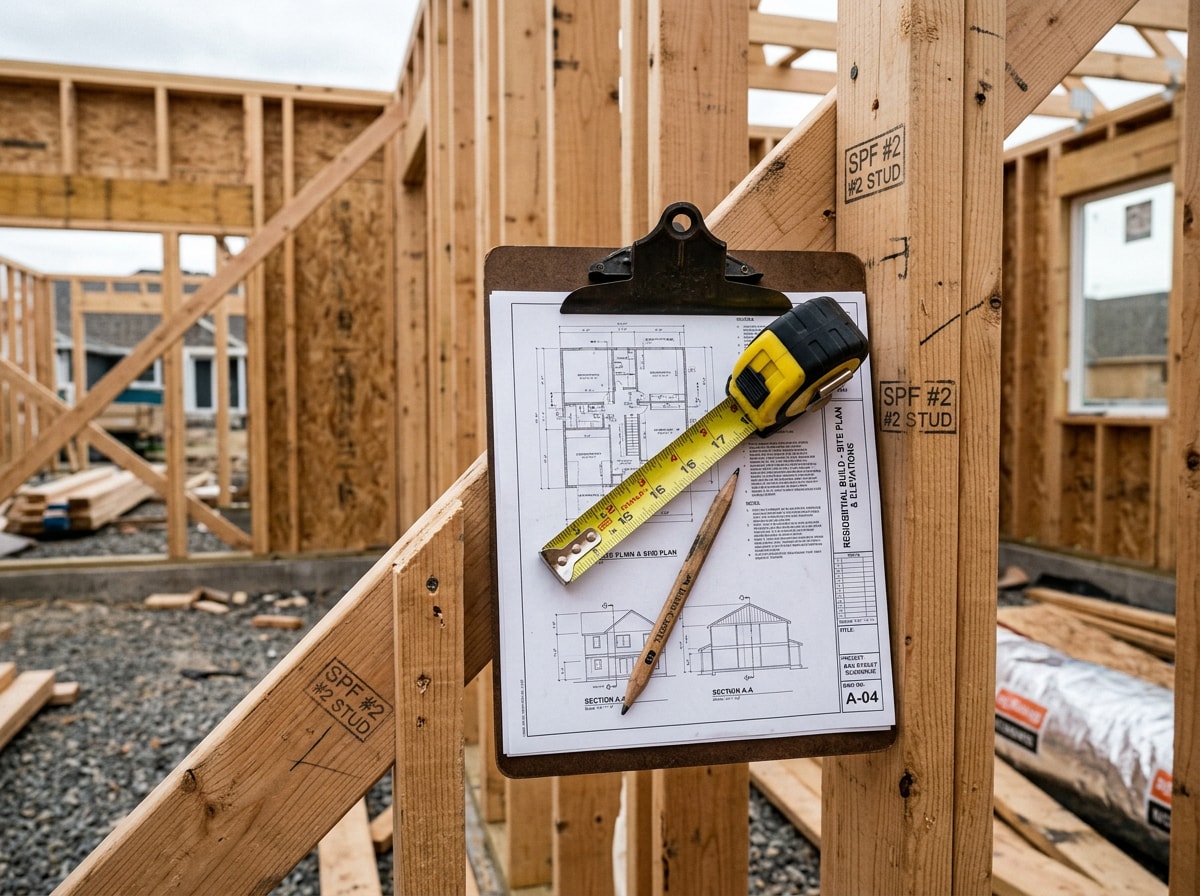
Inspections typically happen daily or several times a week depending on the project phase. The clerk of works conducts regular site visits to monitor the quality and progress of ongoing construction activities, ensuring that completed work adheres to the approved design and specifications. Findings go back to the owner in dated written reports rather than vague verbal updates, which creates a paper trail that protects the owner if a dispute comes up later.
Working With Foremen Without Taking Over
A clerk of the works coordinates with foremen and subcontractors but doesn't replace the construction superintendent. The clerk must not attempt to fill the role of the construction superintendent, design and build team, safety officer, or independent contractors. When a framing crew and an electrical sub are on-site the same week, someone still needs to confirm both are working to the same standard, and that's the clerk's job, not an afterthought handled by whoever notices an issue first.
On our own remodels and additions around Monterey County, the most common catch during a mid-framing walkthrough is a material substitution the crew made without flagging it to the owner first. A clerk of the works (or a contractor who builds that same discipline into their own process) is what keeps a small substitution from becoming a change order fight at closeout.
Clerk of the Works vs. California's DSA Inspector of Record
Here's a distinction most generic guides skip entirely: in California, the private "clerk of the works" role and the state-mandated "Inspector of Record" are not the same thing, and confusing them can matter if your project touches public funding.
The Division of the State Architect's Project Inspector Program is designed to ensure that public school construction projects under DSA jurisdiction, as well as applicable state-owned and state-leased essential services buildings, are inspected by qualified, trained, and certified individuals who verify that construction complies with DSA-approved documents and the California Building Standards Code.
All school projects under the jurisdiction of DSA must have a Certified Project Inspector on site.
A standard residential remodel in Royal Oaks doesn't fall under DSA jurisdiction, so this certification isn't required for your project. But if your contractor, architect, or clerk of the works throws around terms like "IOR" or "Project Inspector" as if they're interchangeable with a privately hired clerk of the works, that's worth a follow-up question. The two roles have overlapping goals but different legal authority, reporting chains, and certification paths. You can review the DSA's Project Inspector Certification page directly if your project involves any public funding or a public agency.
What Qualifications Should You Look For?
Most clerks of the works hold a diploma or certificate in construction management or civil engineering paired with hands-on site supervision experience. That combination of classroom knowledge and fieldwork is what separates a qualified clerk of the works from someone simply assigned the title.
In the U.S., ask about recognized credentialing. The Construction Management Association of America is an industry association dedicated to the practice of professional construction management, representing more than 28,000 members including government and private sector owners, construction consultants, and academia. Candidates holding a CMAA-aligned credential, such as the Certified Construction Manager designation, pass a comprehensive exam that tests 10 practice areas, including management of time, safety, sustainability, technology, and costs. You can confirm an individual's standing directly through CMAA's certification resources.
Before hiring, it's reasonable to request proof of education and several years of verifiable site supervision experience on comparable projects.
Is Hiring a Clerk of the Works Worth It?
The value shows up in three places: fewer undetected problems, lower long-term costs, and reduced regulatory risk.
On-site monitoring catches problems early. A framing error caught on day one is a quick fix. The same error caught after three more trades have built on top of it usually means tearing work back out.
Cost and time savings compound. Catching a compliance issue or installation error early avoids the expense of demolishing and redoing finished work later. Project delays often trace back to quality problems discovered too late in the schedule, so a clerk who flags issues as they happen helps protect both budget and timeline.
Compliance oversight reduces legal exposure. In Monterey County, that typically means checking work against California's Title 24 energy and building standards, plus applicable Cal/OSHA safety requirements on active job sites. The Cal/OSHA Program is responsible for enforcing California laws and regulations pertaining to workplace safety and health and for providing assistance to employers and workers about workplace safety and health issues. You can check current standards directly on Cal/OSHA's official site.
Clerk of the Works vs. Project Manager vs. Employer's Agent
These three roles get confused constantly because they all touch quality and schedule. Here's how they actually differ:
| Role | Who they answer to | Main focus | Contractual authority |
|---|---|---|---|
| Clerk of the Works | Owner or architect | Site quality, workmanship, materials vs. specs | Narrow: inspect, record, report |
| Project Manager | Owner or contractor | Budget, schedule, stakeholder coordination | Moderate: manages delivery, not quality inspection alone |
| Employer's Agent | Owner | Overall contract administration | Broad: contractual decision-making authority |
If you only need someone watching quality day to day, a clerk of the works is the right scope. If you need someone managing the whole delivery process, you're looking at a project manager or employer's agent instead.
Why Some Owners Think the Role Is Unnecessary, and Why That's Changing
Some owners assume a project manager can catch quality issues just as effectively, making a dedicated clerk of the works feel redundant. That assumption made more sense decades ago, when code requirements were simpler and oversight responsibilities overlapped more easily between roles.
As building regulations have expanded, the case for dedicated oversight has grown. Model codes now cover energy performance, accessibility, and material standards in far more detail than a generalist project manager is typically positioned to track. Weighing the cost of independent oversight against the risk of an undetected violation usually favors bringing in a specialist, especially on a project with a tight permitting timeline.
If you'd rather have that oversight built directly into your contractor's process instead of hiring a separate clerk, that's exactly how NN Construction approaches residential work. Our owner started in general construction at 16, worked his way to foreman over 12 years, and earned his general contractor's license at 28 , and that fieldwork background shapes how our crews self-check quality on every remodel, addition, and new build we take on in Royal Oaks and across Monterey County.
Planning a remodel that involves structural steel alongside framing? Our guide to hiring structural steel contractors in the Watsonville area covers what to vet before you sign a contract.
Want that level of quality oversight on your own project? Get a free estimate and we'll walk you through how we handle inspections on jobs like yours.
FAQ
What does a clerk of the works do on a day-to-day basis?
They inspect completed work against drawings and specifications, check material deliveries, document findings in written reports, and flag defects before the next trade builds over them. They don't manage the schedule or direct the crew; that stays with the contractor's superintendent.
Who employs a clerk of the works?
Owners, architects, school districts, and public agencies typically retain a clerk of the works. Government agencies frequently seek this independent oversight on public construction projects, while private owners hire one directly or through their architect.
Clerk of the works vs. project manager: what's the difference?
A clerk of the works focuses narrowly on site quality and compliance, inspecting workmanship and materials against drawings. A project manager handles the bigger picture: budget, schedule, and coordinating everyone involved in the build.
Clerk of the works vs. employer's agent: what's the difference?
A clerk of the works inspects, records, and reports on quality. An employer's agent holds broader contractual authority, including decisions that affect scope, payment, and schedule.
Is a clerk of the works the same as a county building inspector?
No. A county or city building inspector works for the local jurisdiction and checks code compliance at scheduled milestones. A clerk of the works is privately hired by the owner and is on-site far more often, watching quality continuously rather than just at inspection checkpoints.
What does a clerk of the works cost?
Cost varies by experience, project size, and level of responsibility. California rates differ from other regions, so it's best to request a project-specific quote rather than relying on national averages.
Do I need a clerk of the works for a residential remodel in Royal Oaks?
It's rarely required by law for a private residential project, but it's worth considering on larger additions or full remodels where multiple trades overlap. Many owners get similar protection by hiring a general contractor who already builds quality checks into every phase, from general construction to residential remodeling. NN Construction serves Royal Oaks and the rest of Monterey County; visit our homepage to see recent projects or reach out directly to discuss yours.