Finding commercial renovation contractors in Monterey County, CA means vetting crews who can navigate coastal permitting, historic district review, and tenant improvement codes without stalling your opening day. The wrong hire turns a six-week build-out into a six-month headache. Here's what actually separates a contractor who finishes on schedule from one who doesn't.
What Counts as a Commercial Renovation Here
A commercial renovation covers almost any change to a business space: tenant improvements inside an existing shell, a ground-up remodel, or a historic storefront brought up to current code. Monterey County adds a layer most general contractors from outside the area miss, because coastal zoning, Carmel and Monterey historic districts, and Monterey Peninsula Water Management District rules all stack on top of standard state building code.
National construction activity gives some context for budgeting. Construction spending during August 2026 was estimated at a seasonally adjusted annual rate of $2,203.1 billion, 1.7 percent below the August 2025 estimate. Material and labor pricing on the Central Coast tracks closely with these national swings, so a quote that felt accurate six months ago may already be stale.
Permits, Codes, and Historic District Rules in Monterey County
This is the step most owners underestimate, and it's the one that actually determines your timeline. Monterey County requires more than a basic building permit application for tenant improvement work.
Structural calculations and Title 24 energy calculations under the California Energy Code are required submittal items whenever the work impacts the energy compliance of the structure. Accessibility isn't optional either: Section 1134B of the California Building Code requires an additional 20 percent of the improvement cost to go toward accessibility upgrades once a project exceeds the valuation threshold posted by the state.
| Typical Submittal Item | Why It's Required |
|---|---|
| Wet-stamped construction plans | County requires plans prepared and sealed by a licensed design professional for most commercial work |
| Structural calculations | Needed whenever load-bearing elements, framing, or structural systems are altered |
| Title 24 energy compliance forms | Required if the renovation affects the building's energy performance |
| Accessibility (ADA/CBC 11B) upgrade plan | Triggered once project valuation crosses the state-posted threshold under CBC Section 1134B |
| Site plan | May be required to verify disabled-access compliance for the site |
If your building sits in Monterey, Carmel-by-the-Sea, or Pacific Grove's historic overlay, add another review layer. Historic rehabilitation projects are commonly evaluated against the Secretary of the Interior's Standards for Rehabilitation, which are regulatory for the Historic Preservation Tax Incentives program. A contractor who hasn't pulled permits in these districts before will often underbid the timeline because they didn't plan for the extra design review round.
Our crews have handled this exact sequence on Central Coast storefronts before: submit for design review, get redlines on the historic character items first, resubmit, and only then move to structural plan check. Planning six to eight extra weeks for that sequence has saved more than one client from a blown opening date.
Types of Commercial Renovation Projects We Handle
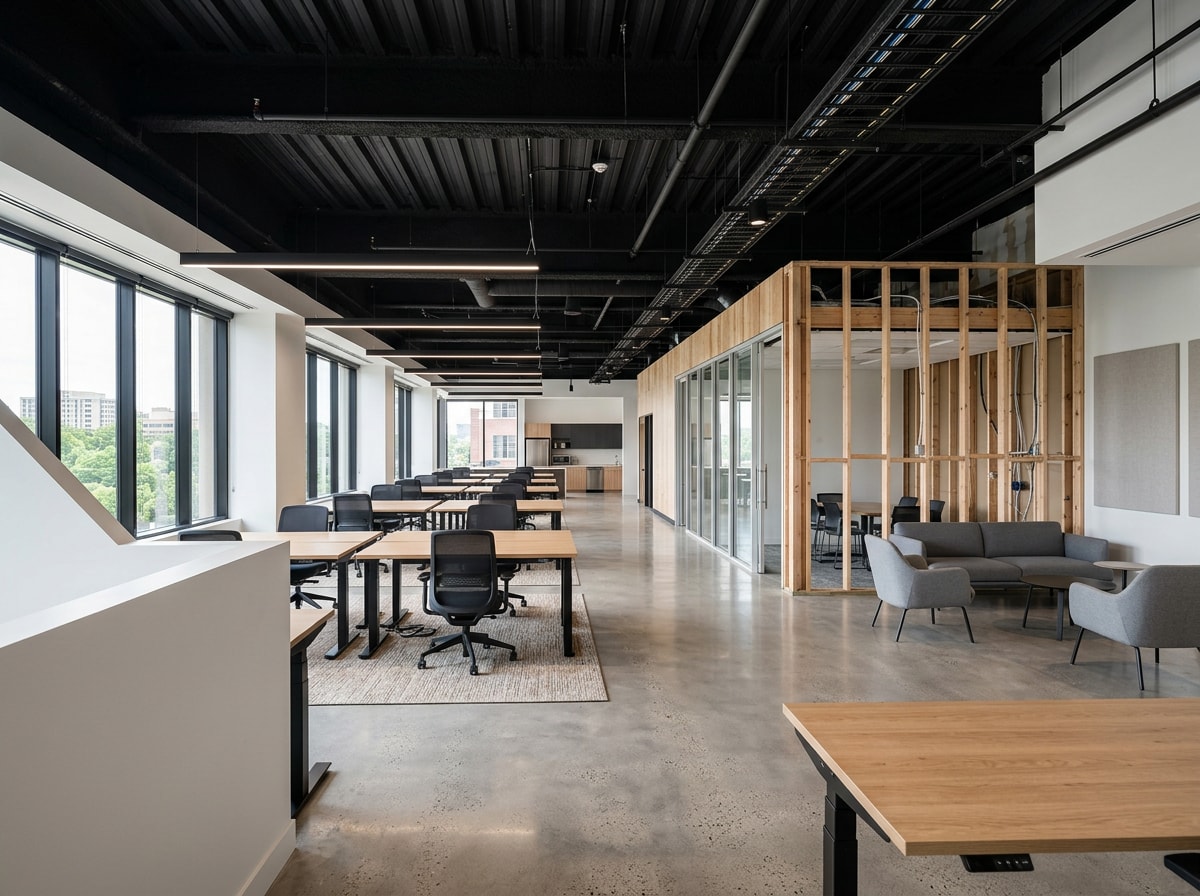
Office Build-Outs and Renovations
Open layouts, flexible conference rooms, and collaborative space that still carves out private offices where hybrid teams need them. Framing changes for new partition walls or reconfigured space fall under our framing services.
Retail Space Upgrades
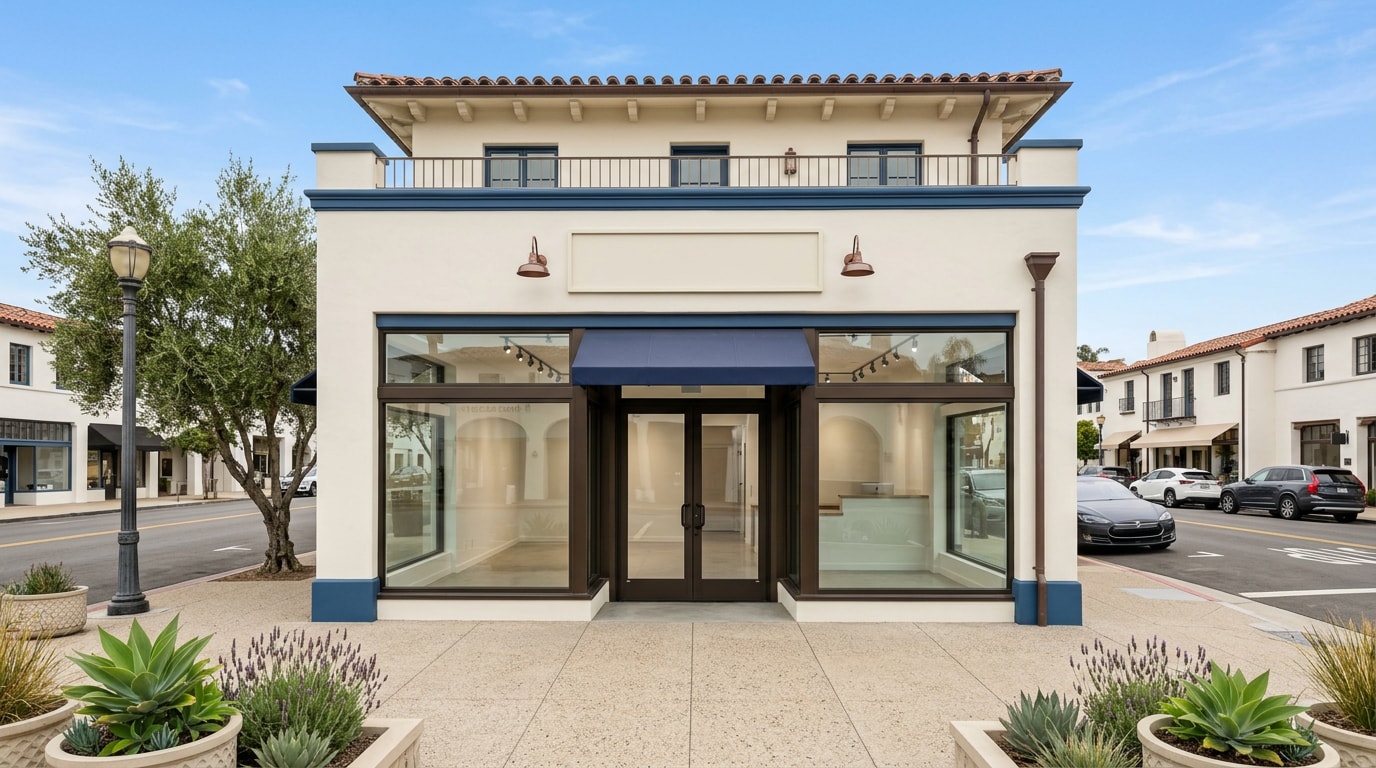
A tired storefront can be repositioned with brand-forward finishes, new flooring, and updated facades that pull foot traffic back. Exterior work like stucco repair and exterior painting often does more for a retail reposition than interior finishes alone.
Restaurant and Hospitality Improvements
Kitchen layout efficiency and front-of-house flow drive most restaurant remodel decisions. Flooring that can handle grease, heat, and daily cleaning matters more here than in any other commercial category, which is why flooring installation and concrete finishing come up constantly in these scopes.
Healthcare and Medical Facility Renovation
Retrofitting a space for new equipment or expanded services usually means stricter infection control, wider corridors, and accessibility compliance beyond the standard 20 percent threshold. These projects run longer plan check cycles than almost any other commercial category.
Industrial and Warehouse Renovation
Turning aging square footage back into usable space without the cost of ground-up construction. Structural framing, loading area upgrades, and general construction work typically anchor these scopes.
Historic Building Renovation in Monterey and Carmel
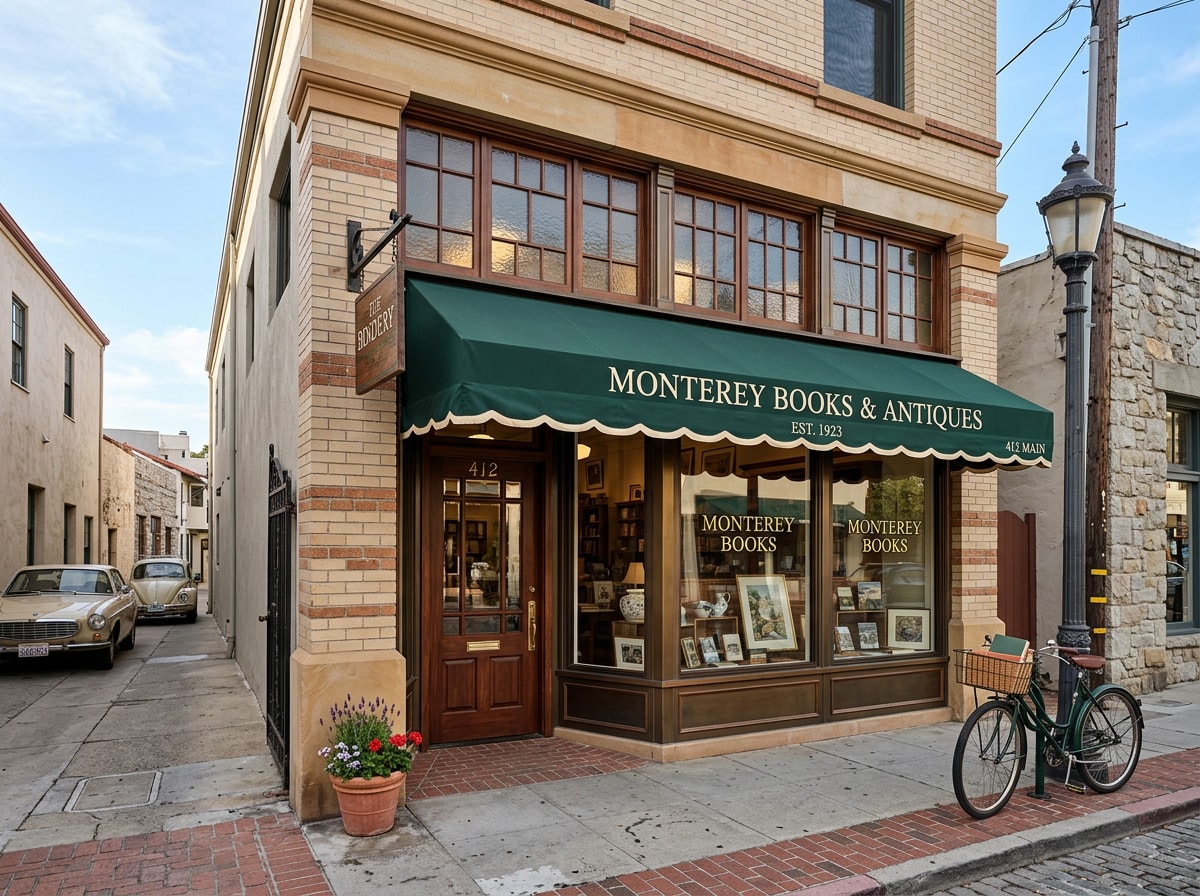
Protected districts require retaining character-defining features (storefront transoms, original masonry, period detailing) while bringing electrical, plumbing, and accessibility up to current code. This is the category where picking an experienced local contractor matters most, since a design that fails historic review gets sent back to square one.
What a Design-Build Process Looks Like
A true design-build contractor is one point of contact from concept through final inspection instead of three separate vendors pointing fingers when a change order shows up.
- Needs assessment – walk the space, document how the business actually operates day to day.
- Schematic design – translate that into a floor plan that solves real workflow problems, not just a pretty rendering.
- Permit submittal – structural calcs, Title 24, and accessibility documentation go in together to avoid sequential rejections.
- Construction – framing, MEP rough-in, finishes, with the same project lead the owner met on day one.
- Closeout – final inspection, punch list, and occupancy sign-off.
Keeping design and construction under one general contractor shortens the gap between "we have an idea" and "we're open for business," because there's no handoff delay between the design team and the build team.
How Much Does a Commercial Renovation Cost in Monterey County?
Cost swings widely based on scope, building type, and how much of the existing MEP (mechanical, electrical, plumbing) system can be reused versus replaced. A cosmetic refresh (paint, flooring, lighting) costs far less per square foot than a full gut renovation that touches structural systems and accessibility compliance.
Rather than quoting a single number that won't match your project, get an itemized estimate broken down by trade. That's the only way to compare two bids apples to apples instead of guessing which one buried a cost somewhere in the fine print. Get a free estimate and we'll walk the space with you before putting a number on paper.
Choosing the Right Commercial Renovation Contractor
Look for these before signing anything:
- Active California contractor license in good standing, verified through the state board, not just a business card claim.
- Monterey County permit experience, specifically with tenant improvement and historic district submittals, not just residential work.
- Structural engineering capability in-house or through a consistent partner, since most commercial build-outs need stamped calculations.
- A plan for staying open during construction, if your business won't close during the renovation.
Construction employers are responsible for maintaining an effective fire protection and prevention program throughout all phases of construction, repair, alteration, or demolition work under 29 CFR 1926.24, which matters even more when customers and employees share the building with an active job site.
- A fixed point of contact who doesn't change every two weeks of the project.
A contractor who finishes on time and on budget protects something harder to measure: your continuity as a business while construction is happening around your staff and customers.
Serving Monterey County and the Central Coast
We work throughout Monterey County, including Salinas, Carmel, Pacific Grove, Pebble Beach, Seaside, and Marina, along with neighboring Santa Cruz and San Jose metro markets. If your project involves structural work tied to a larger build, our guide on structural steel contractors in the Watsonville area covers how to vet that piece of the scope specifically.
Start with our homepage to see the full range of general contracting, exterior, and flooring services that support commercial renovation work, or jump straight to a conversation about your project.
About the Author
This guide was written by the NN Construction team, a Central Coast general contracting company serving Monterey, Santa Cruz, and San Benito County commercial and residential clients. Our crews have pulled tenant improvement permits across Monterey County's coastal and historic districts and know which plan reviewers flag accessibility items first. Questions about a specific property? Contact us directly.
FAQ
How much does a commercial renovation cost in Monterey County?
Cost depends on building type, scope, and how much of the existing mechanical and electrical system can be reused. Request an itemized bid broken down by trade so you can compare contractors fairly instead of comparing one lump-sum number against another.
Do I need a permit for a commercial renovation in Monterey County?
Yes, in almost every case. Tenant improvement and remodel work typically requires stamped architectural and structural plans, Title 24 energy compliance forms, and an accessibility review before the county issues a permit.
Are commercial renovation contractors licensed and insured?
They should be. Verify an active California contractor license directly through the state licensing board before signing a contract, and confirm current general liability and workers' compensation coverage.
How long does a commercial renovation take in Monterey County?
Timeline depends on scope, permit review time, and whether the property sits in a historic overlay district. Historic district projects typically add several weeks for design review before structural plan check even begins.
Do commercial renovations in Monterey County require accessibility upgrades?
Often, yes. Once a project's valuation crosses the state-posted threshold, California Building Code Section 1134B requires an additional 20 percent of the improvement cost go toward accessibility upgrades.
What's the difference between a tenant improvement and a full commercial renovation?
A tenant improvement typically modifies interior space within an existing shell for a specific business's needs. A full commercial renovation can include structural changes, exterior work, and systems replacement beyond what a standard TI scope covers.